

Why Are Retainers Important After Braces or Aligners?
Quick Answer: Retainers are important after braces or clear aligners because teeth can shift after active orthodontic treatment ends. Retainers generally come in two main types: removable and fixed, and both are designed to help hold teeth in their new positions. How often you wear a retainer depends on the type, your treatment, and your orthodontist’s instructions. Retention is an important part of maintaining the alignment created during orthodontic treatment.
Why Can Teeth Shift After Orthodontic Treatment?
Teeth are not permanently locked into place when braces or aligners come off. The bone, gums, and other tissues around the teeth continue to adjust after treatment, and tooth position can also change gradually over time. This is why retention is part of treatment after both traditional braces and clear aligners. A retainer helps reduce unwanted movement and maintain the alignment created during treatment.
How Long Do You Need to Wear a Retainer?
There is no single retainer schedule that applies to every patient. Some people are instructed to wear a removable retainer more often soon after treatment and later move to nighttime wear, while others may follow a different schedule based on their teeth, bite, treatment history, and retainer type. Long-term wear may be recommended because teeth can continue to change position over time. Follow the schedule your orthodontist gives you instead of reducing wear on your own.
Do You Need a Retainer After Both Braces and Clear Aligners?
Yes. Retainers are commonly used after both braces and clear aligners because both treatments move teeth into new positions. The way the teeth are moved may differ, but the need to maintain those positions remains. Patients comparing clear aligners and braces should understand that retention is usually part of either treatment path.
What Is the Difference Between Fixed and Removable Retainers?
Fixed and removable retainers serve the same general purpose, but they are used differently.
| Retainer Type | How It Works | What to Know |
|---|---|---|
| Removable retainer | Taken in and out as directed | Requires consistent wear and regular cleaning |
| Clear removable retainer | Plastic tray fitted over the teeth | Can crack, warp, or wear over time |
| Wire-and-acrylic retainer | Removable retainer with wire and acrylic | May be adjusted in some cases |
| Fixed retainer | Attached behind certain teeth | Stays in place and needs careful brushing and flossing |
The right option depends on the teeth, bite, treatment history, and how the orthodontist wants to maintain the result. Patients can also learn more about retainers and post-treatment care and how retention fits into long-term orthodontic care.
What Happens If You Stop Wearing Your Retainer?
Your teeth may begin to shift if you stop wearing your retainer. The amount of movement varies from person to person, and a retainer that once fit comfortably may begin to feel tight if the teeth have changed position.
If your retainer no longer fits after a period of missed wear, contact your orthodontist so they can check whether your teeth have moved and whether the retainer is still appropriate.
What Does It Mean If Your Retainer Feels Tight?
A tight retainer may mean the teeth have shifted slightly or that the retainer itself has changed shape. Mild tightness does not always mean there is a major problem, but a retainer that is painful, difficult to seat, or clearly no longer fits should be checked. Do not bend, reshape, or force the retainer yourself.
What Should You Do If Your Retainer Is Lost or Broken?
Contact your orthodontist if your retainer is lost, cracked, warped, or has a broken wire. Going without a retainer may allow the teeth to move, so it is better to address the problem rather than wait until your next routine appointment. Avoid trying to repair a damaged retainer at home, and keep the broken retainer if possible so your orthodontist can inspect it.
How Should You Clean and Store a Retainer?
Clean a removable retainer using the method recommended by your orthodontist and avoid very hot water, which can change the shape of some plastic retainers. When it is not in your mouth, place it in its case instead of wrapping it in a napkin or leaving it loose in a bag or pocket. Check it regularly for cracks, rough edges, loose wires, or changes in fit. Teens learning to manage orthodontic routines may also find this guide to teen life with braces helpful.
Can a Retainer Straighten Teeth That Have Already Shifted?
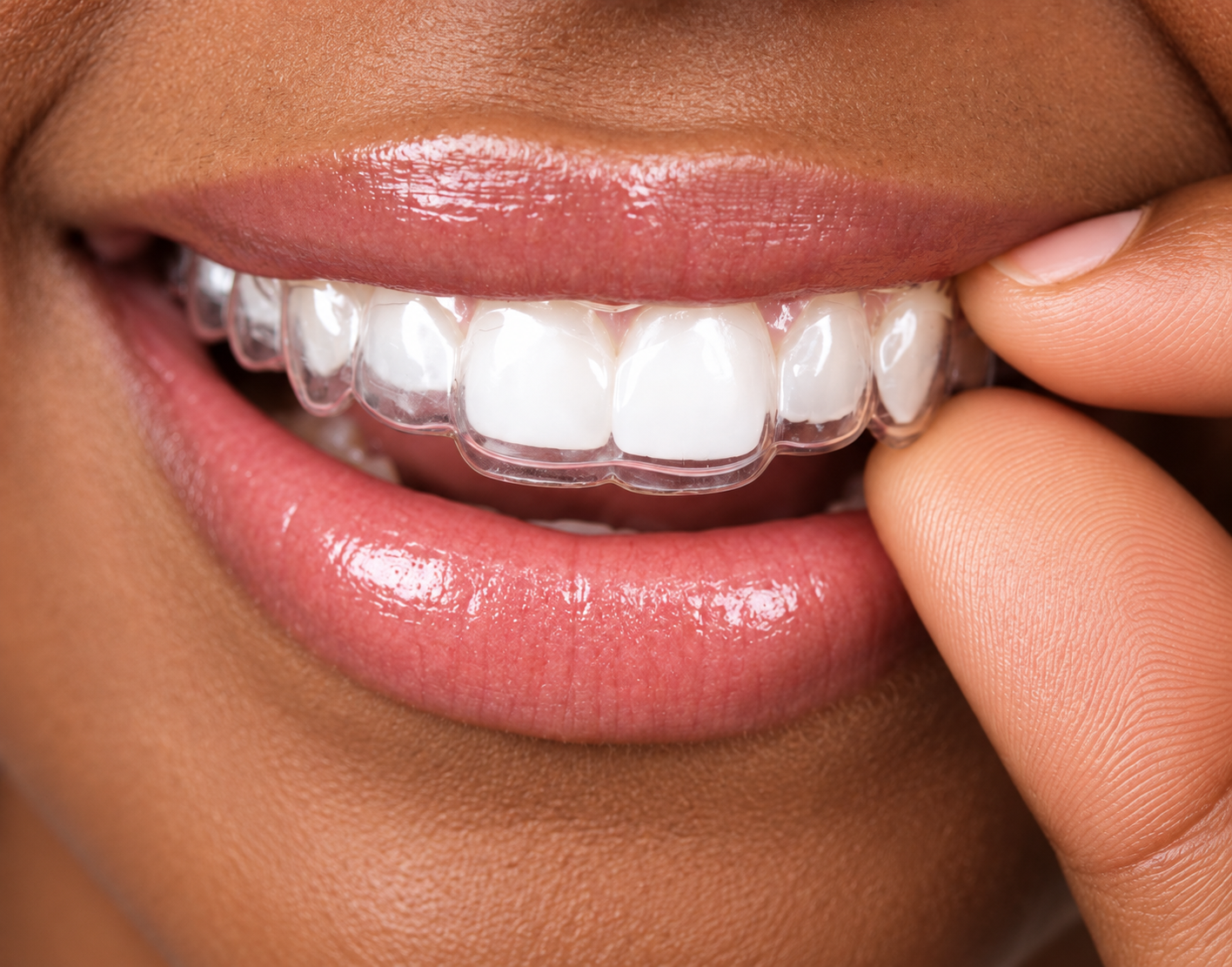
A retainer may still fit when only a small amount of movement has occurred, but retainers are mainly designed to maintain tooth position rather than provide full orthodontic treatment. If the teeth have moved enough that the retainer no longer seats properly, an orthodontist should evaluate the change. If the movement affects more than the front teeth, the orthodontist may also need to consider overall bite and jaw alignment before recommending the next step.
Why Does Retainer Wear Still Matter Years After Treatment?
Teeth can continue to change position over time, even years after braces or aligners are removed. Wearing your retainer as directed helps reduce unwanted movement and maintain the alignment created during treatment. This is why retention may remain part of orthodontic care long after active treatment ends.
Frequently Asked Questions About Retainers
Need Help With a Retainer That No Longer Fits?
If your retainer feels tight, has broken, is missing, or no longer fits properly, call Smiles by Nikki at 706-738-8898 or use the contact page to schedule a visit and have it checked.