
How Orthodontics Improves Your Bite and Jaw Alignment
Orthodontic treatment is often associated with straightening teeth, but its benefits go far beyond appearance. A healthy smile isn’t just about how your teeth look—it’s about how they function together. When your bite and jaw alignment are properly balanced, everyday actions like chewing, speaking, and even breathing can feel easier and more comfortable.
Orthodontics focuses on creating harmony between your teeth, jaws, and facial structure, helping protect your long-term oral health while improving overall comfort and confidence.
What Is a Misaligned Bite (Malocclusion)?
A misaligned bite, also known as malocclusion, occurs when the upper and lower teeth don’t fit together correctly. This can affect how pressure is distributed across your teeth and jaw, often leading to discomfort or long-term damage if left untreated.
Common types of malocclusion include:
Overbite
An overbite occurs when the upper front teeth overlap the lower teeth more than they should. While a small amount of overlap is completely normal, a deep overbite can place excessive pressure on the lower teeth and gums. Over time, this extra force may lead to worn enamel, increased tooth sensitivity, and jaw discomfort. In more severe cases, a deep overbite can also contribute to issues with chewing and may increase the risk of tooth damage or jaw strain.
Underbite
An underbite happens when the lower jaw extends forward, causing the lower teeth to sit in front of the upper teeth. This type of misalignment can make biting and chewing less efficient and may place added stress on the jaw joints. Underbites can also affect speech and facial balance, sometimes becoming more noticeable as a person grows. Without correction, an underbite may worsen over time and lead to uneven tooth wear or jaw discomfort.
Crossbite
A crossbite occurs when one or more upper teeth bite inside the lower teeth instead of slightly outside, as they should. This misalignment can affect just one tooth or multiple teeth and may involve the front or back of the mouth. Crossbites often cause uneven tooth wear and can force the jaw to shift to one side during chewing, which may lead to jaw pain or facial asymmetry if left untreated.
Open Bite
An open bite is present when the upper and lower teeth do not touch when the mouth is closed, leaving a visible gap. This condition often affects the front teeth but can also occur in the back of the mouth. Open bites can make it difficult to bite into foods properly and may interfere with clear speech. Over time, the lack of proper tooth contact can place extra strain on certain teeth and muscles, making orthodontic treatment especially important for restoring balance and function.
Signs Your Bite May Need Correction
Not all bite problems are immediately obvious. In many cases, symptoms develop gradually and are easy to ignore until discomfort becomes more noticeable.
Jaw pain or clicking
Persistent jaw pain, popping, or clicking sounds when opening or closing your mouth can be a sign that your bite is placing stress on the jaw joints.
Difficulty chewing
If chewing feels uncomfortable or inefficient, it may be due to improper tooth alignment. A balanced bite allows your teeth to work together smoothly.
Uneven tooth wear
Teeth that wear down unevenly can indicate that certain teeth are absorbing too much pressure. Over time, this can increase the risk of cracks, sensitivity, or damage.
How Orthodontic Treatment Corrects Bite Issues
Orthodontic treatment uses controlled, gradual force to guide teeth and jaws into healthier alignment. The approach depends on the type and severity of the bite issue.
Braces
Traditional braces use brackets and wires to move teeth into proper position. They are highly effective for correcting complex bite problems and improving overall alignment.
Aligners
Clear aligners are a popular option for mild to moderate bite issues. They gradually shift teeth while offering a more discreet treatment experience.
Elastics and appliances
In some cases, elastics or specialized appliances are used to guide jaw movement and correct bite relationships. These tools help address alignment at a deeper structural level.
Long-Term Benefits of Proper Bite Alignment
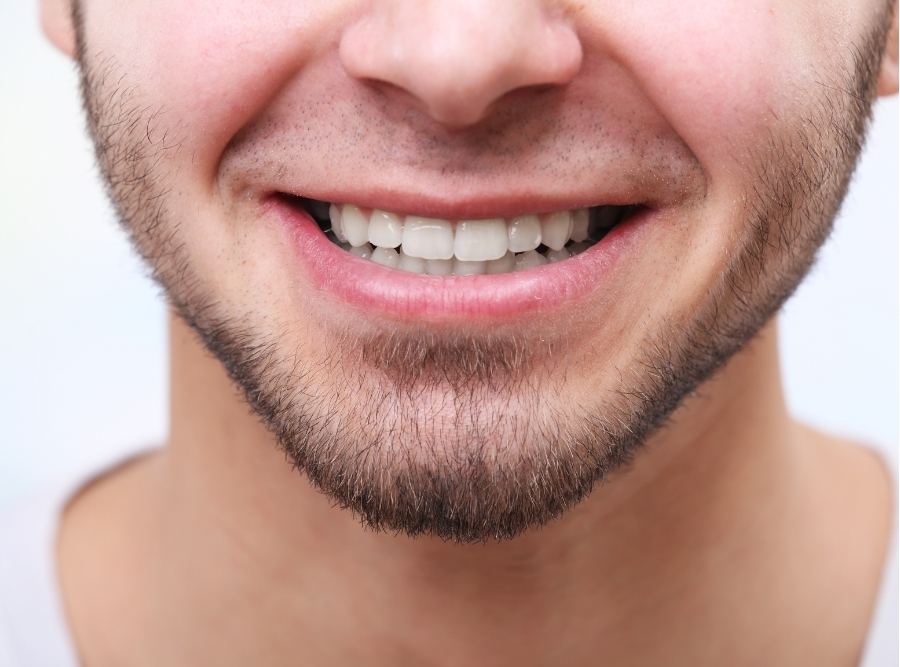
Correcting bite issues does far more than improve the look of your smile—it plays a major role in protecting your long-term oral health. When your bite is properly aligned, pressure is evenly distributed across your teeth and jaw, reducing strain on the jaw joints and surrounding muscles. This balance can help prevent chronic jaw pain, tension, and clicking that often develop when the bite is off.
Proper bite alignment also supports better oral hygiene and overall facial harmony. Straight, well-aligned teeth are easier to clean, lowering the risk of cavities, gum disease, and uneven enamel wear. In addition, balanced jaw alignment can subtly enhance facial symmetry and profile, contributing to a more natural, confident appearance that reflects a healthy, functional smile.
Bite Health Is Whole-Mouth Health
Your bite plays a critical role in your overall oral health. Orthodontic treatment helps create a balanced foundation that supports comfortable function, protects your teeth, and promotes long-term wellness. By addressing bite and jaw alignment early, you can prevent future complications and enjoy a healthier, more confident smile for years to come.