
Clear Aligners vs. Braces: Which Is Right for You?
Both braces and clear aligners are effective tools for straightening teeth, but they work differently. This blog breaks down the pros and cons of each option to help you make the best choice for your lifestyle and smile goals.
How They Work
Orthodontic treatment at its core involves applying gentle, sustained pressure to move teeth into their ideal alignment and improve bite function. However, the way that pressure is delivered differs significantly between the two main options:
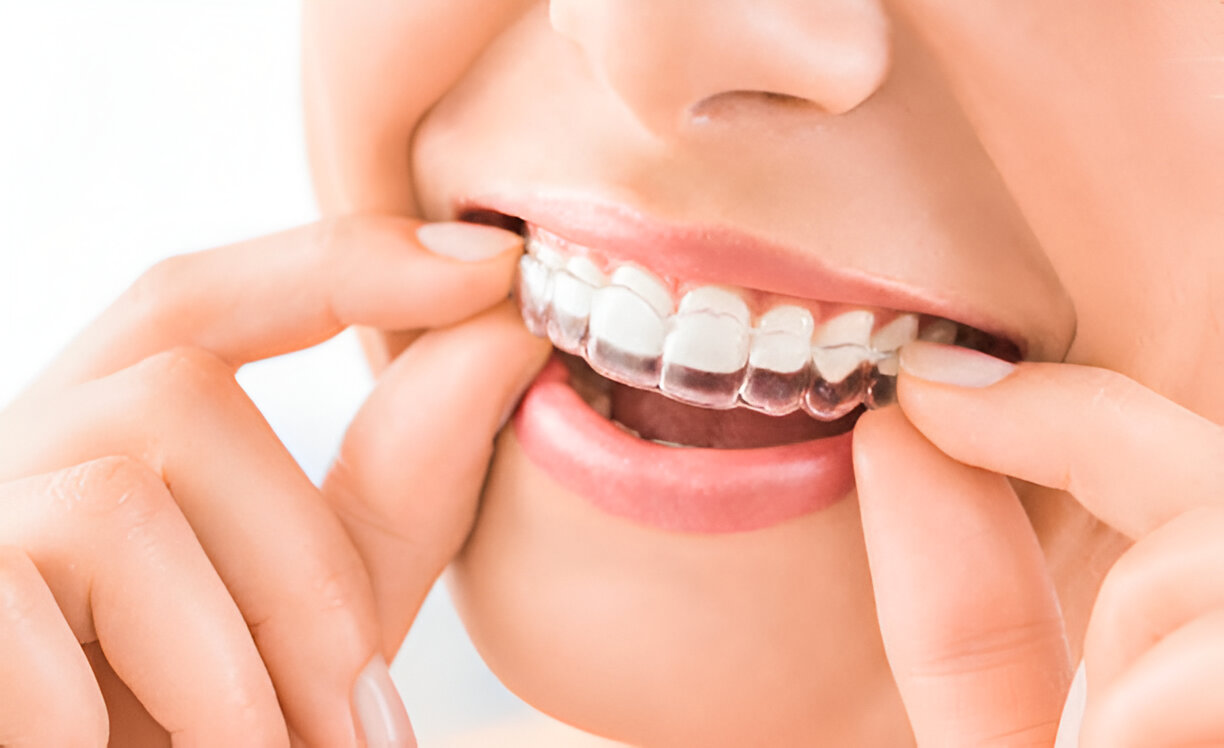
Braces are fixed appliances made up of brackets bonded to your teeth and connected by wires (and sometimes elastics), which your orthodontist adjusts periodically to guide tooth movement. Clear aligners are a series of custom-made, transparent plastic trays that fit snugly over your teeth. You wear each tray for a specified time (often 1–2 weeks) before moving to the next, gradually shifting your teeth toward the desired position.
Understanding how each system functions helps clarify why one might be better suited to you than the other.
Key Considerations: What to Think About
Here are the major factors to weigh when choosing between clear aligners and braces — many of these align with questions I ask in my consultations at Smile by Nikki.
Appearance & Lifestyle
If you’re concerned about how your orthodontic treatment will look (at work, socially, in photos), then aesthetics matter.
- Clear aligners are nearly invisible when worn, offering a discreet option for adults or teens who prefer lower visibility.
- Braces are more visible (especially metal ones), though modern ceramic or “clear” brackets reduce that somewhat. Even so, the wires and brackets are generally more noticeable than aligners.
If you imagine yourself in professional meetings, social gatherings or just prefer a “low-profile” treatment, clear aligners might have the edge. That said, if visibility isn’t a major concern (or you’re comfortable with braces), then that may be less of a deciding factor.
Comfort & Hygiene
Your day-to-day experience will differ depending on the appliance.
- With clear aligners: You can remove them to eat, brush and floss normally, which often makes hygiene easier and more convenient.
- With braces: You must clean around the brackets and wires, and you’ll have food and hygiene restrictions (no chewing on really hard or sticky items, need special floss tools, etc.).
- In terms of comfort: Aligners tend to cause fewer soft-tissue irritations (less chance of a bracket rubbing your cheek) though you might feel some pressure when switching trays. Braces may cause initial soreness after adjustments and brackets/wires may irritate lips/cheeks.
If you value convenience — eating freely, brushing normally, fewer “what‐can‐I‐eat/take‐out” worries, aligners may be appealing. If you’re OK with the extra effort or have more complex needs, braces may be the better fit.
Treatment Scope & Effectiveness
Not all cases are created equal — the severity of your alignment or bite issue can significantly impact which method is more appropriate.
- Braces are often the best choice for complex cases: severe crowding, large bite problems (over-bite, under-bite, crossbite), tooth rotations requiring major movement, or cases requiring extractions or jaw-work.
- Clear aligners are extremely effective for mild to moderate alignment or spacing issues and bite concerns in cases where patient compliance is possible.
- Research suggests that when used appropriately, aligners can deliver results comparable to braces in many cases but that doesn’t mean they’re always the right choice for every case. The treatment plan and orthodontist’s supervision matter a lot.
At Smile by Nikki, I perform a full evaluation (digital scans, records, bite analysis) to determine whether aligners alone can safely and predictably address your goals or whether braces (or a hybrid approach) are the better path.
Commitment & Compliance
Your role in this process is meaningful, especially for aligners.
- With clear aligners: They work only if worn as prescribed (typically 20-22 hours a day). Taking them out too often or forgetting them can slow progress or compromise results.
- With braces: Because they’re fixed, you don’t have to think “Did I wear them long enough today?” The orthodontist adjusts the appliance periodically and sets the process in motion. That said, you’ll still need to keep appointments and adhere to hygiene and dietary guidelines.
If you know you’ll reliably wear trays and follow the plan, then aligners might be great. If you suspect you might struggle with consistency (because of lifestyle, travel, forgetfulness, etc.), braces could offer a more fail-safe path.
Cost & Time
Budget, duration, and number of office visits are also part of the picture.
- Cost: Both options vary widely based on case complexity, geographic location, provider fees, and treatment duration. Some aligner plans may cost a little more, some braces less.
- Treatment time: For simpler cases, aligners may sometimes finish more quickly. For more complex cases, braces may be faster or more efficient because of the continuous control over tooth movement.
- Visits: Aligners often require fewer in-office adjustments and fewer emergencies (no broken brackets/wires). Braces check-ups tend to be more frequent.
During your consultation at Smile by Nikki, I’ll review realistic estimates for your case: expected duration, approximate cost, number of visits, so you can pick with eyes wide open.
Which One Might Be Right for You?
Here are some general guidelines and remember, your personal assessment at Smile by Nikki will give you the best answer.
Choose clear aligners if you:
- Want a discreet look and prefer minimal visibility in treatment
- Are willing and able to consistently wear aligners 20-22 hours a day
- Have a mild to moderate alignment issue (spacing, mild crowding, minor bite corrections)
- Value the ability to remove the appliance for eating and brushing
- Prefer fewer visits and greater convenience
Choose braces if you:
- Have a more complex orthodontic case (severe crowding, major bite issues, rotations, jaw corrections)
- Want the security of an appliance fixed in place (less reliance on your own daily discipline)
- Don’t mind the visible brackets/wires or are OK with the traditional look
- Are comfortable with the hygiene and dietary guidelines that braces require
Final Thoughts
Both clear aligners and traditional braces are excellent tools for creating healthier, straighter smiles and both are fully supported in modern orthodontics.
What matters most is not which appliance is “better” in general, but which is right for you — given your dental needs, lifestyle, daily habits and smile goals. At Smile by Nikki, we tailor every treatment plan to your unique situation. In our consultation, we’ll review your diagnostics, discuss the pros and cons in your specific case, and together decide on the path that fits best for you.
If you’re ready to explore your options and start your journey to a confident smile, I’d love to meet you and answer all your questions. Let’s find the right solution for your smile and your life.