
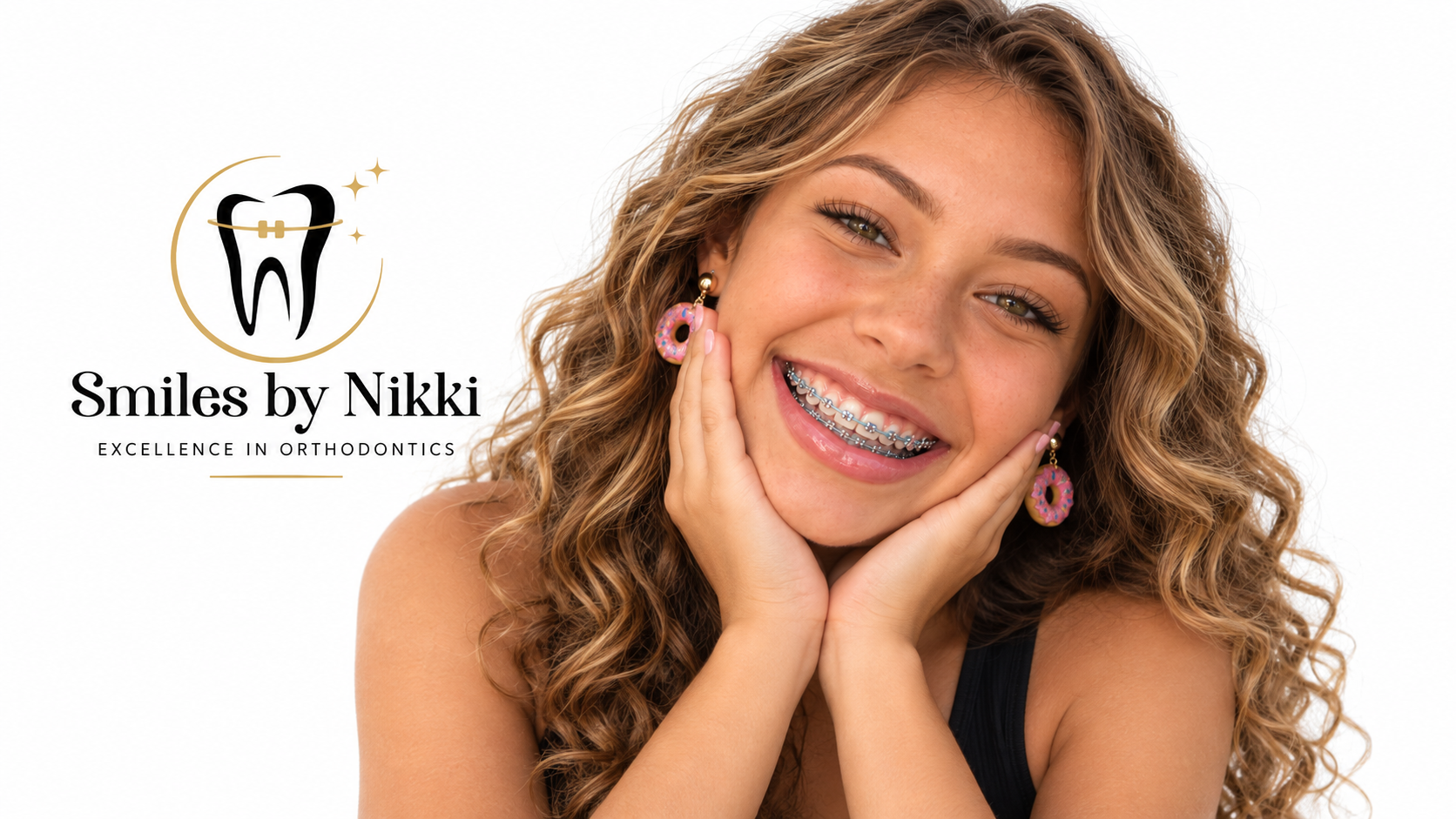
Teen Life With Braces: What Should You Expect?
Quick Answer: Teen life with braces can still include school, sports, meals with friends, and normal daily activities. The main changes are choosing foods that are easier on braces, cleaning carefully around brackets and wires, protecting the mouth during sports, and knowing what to do if something feels uncomfortable. With a simple routine, braces usually become easier to manage and fit naturally into everyday life.
What Should Teens Expect During the First Few Days With Braces?
The first few days may feel different while the teeth and mouth adjust. Teeth can feel sore, and brackets or wires may rub against the cheeks or lips. Softer foods can feel more comfortable during this time, and orthodontic wax may help cover an irritating spot. Most teens can still go to school, spend time with friends, and follow their normal routine while their mouth gets used to the braces.
How Can Teens Make School Easier With Braces?
A simple school-day routine can make braces easier to manage. Keeping a toothbrush and orthodontic wax in a backpack can help teens clean after lunch or handle minor irritation during the day. If brushing is not possible right away, rinsing with water can help remove loose food until the teeth can be cleaned later. Food choices also matter because hard, sticky, or very crunchy foods can be harder on brackets and wires, so the guide on what to eat and avoid with braces or aligners can help teens make easier choices at school and at home.
Can Teens Still Play Sports With Braces?
Yes. Teens can usually continue playing sports while wearing braces, including activities such as football, basketball, soccer, and other sports where contact may happen. For activities where the mouth or face could be hit, an orthodontic mouthguard can help protect the teeth, braces, lips, and cheeks. If a bracket becomes loose or a wire starts poking after practice or a game, it is better to contact the orthodontic office for guidance instead of trying to fix the appliance at home.
What Foods Are Easier to Eat With Braces?
Teens do not have to completely change what they eat, but some foods are easier on braces than others. Pasta, rice, eggs, yogurt, cooked vegetables, soft sandwiches, and fruit cut into smaller pieces can be easier to manage, especially after an adjustment. Hard, sticky, or very crunchy foods can put extra pressure on brackets and wires, so cutting foods into smaller pieces and avoiding foods that are difficult to chew can make meals more comfortable and help protect the braces.
How Should Teens Keep Their Braces Clean?
Braces create more places where food and plaque can collect, so careful cleaning is important. Teens should brush around each bracket, along the gumline, and between the teeth while using any flossing or cleaning tools recommended by their orthodontist. Keeping a toothbrush and basic cleaning supplies in a backpack, sports bag, or locker can also make it easier to stay consistent during school, practice, and other activities without making the routine feel complicated.
What Should Teens Do If a Bracket or Wire Feels Wrong?
A loose bracket or poking wire can be uncomfortable, but it does not always mean something serious is wrong. Orthodontic wax may help cover an irritating area for a short time, but teens should avoid pulling, cutting, or trying to repair the appliance without instructions. The guide on orthodontic emergencies explains which problems may need faster attention and when it is best to contact the orthodontic office.
How Can Teens Feel More Comfortable Wearing Braces Around Friends?

It is normal to notice braces more at first, especially when smiling, eating, talking, or taking photos. That feeling often becomes less noticeable once braces become part of the normal routine. Staying involved in school, sports, and time with friends can help teens feel more comfortable, and keeping the braces clean can also make smiling feel easier. Teens who are interested in how different types of braces look can compare ceramic and metal braces to understand how the options differ.
What Happens After the Braces Come Off?
After braces are removed, the next step is usually keeping the teeth in their new positions. Retainers are commonly used after treatment, and wearing them as directed helps maintain the result. The type of retainer and how often it should be worn depend on the orthodontist’s instructions, so teens should follow the plan they are given. The guide on how to care for your smile after braces explains what to expect after active treatment ends.
Frequently Asked Questions About Teen Life With Braces
Have Questions About Teen Braces?
Braces do not have to get in the way of school, sports, meals, or time with friends. If your teen has questions about eating, cleaning, sports, discomfort, or a problem with their braces, call Smiles by Nikki at 706-738-8898 or use the contact page to get guidance or schedule an orthodontic visit.