
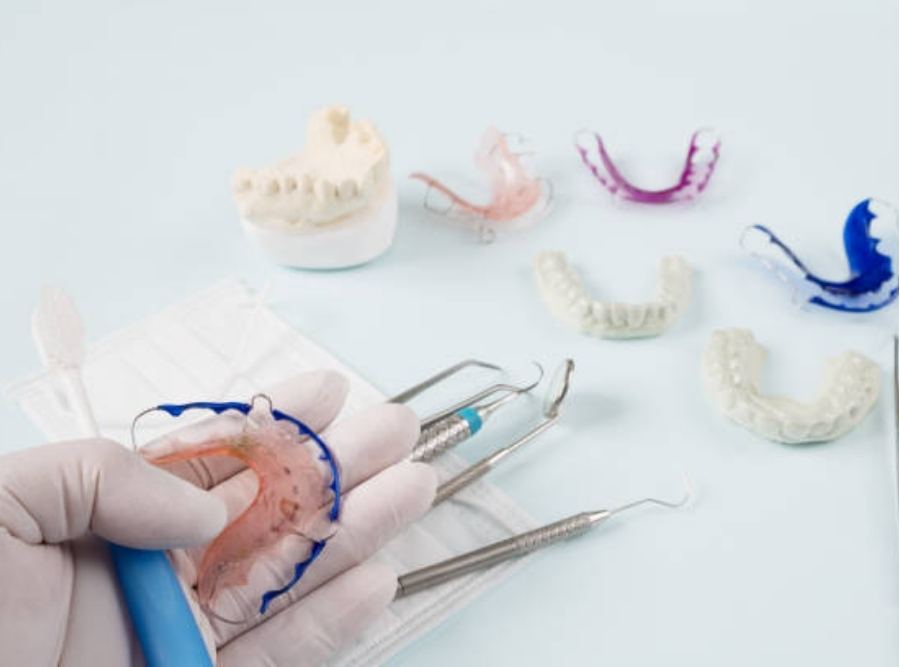
Orthodontic Appliances You Might Not Know About
When most people think about orthodontic treatment, braces are usually the first thing that comes to mind. While braces are an important tool, they’re far from the only option orthodontists use to guide teeth and jaw development. In fact, orthodontic care often involves a variety of appliances designed to address specific needs at different stages of treatment.
These lesser-known appliances work behind the scenes to create space, guide jaw growth, and support long-term alignment—often making treatment more effective and efficient.
Spacers
Spacers are small devices placed between the teeth to create extra room before braces or other appliances are applied. They are typically made of rubber or metal and are used temporarily at the beginning of treatment.
Spacers are most often needed when teeth are tightly packed together, making it difficult to properly fit orthodontic bands. By gently shifting teeth apart, spacers ensure that braces can be placed accurately and comfortably. While they may cause mild pressure for a short time, spacers play an important role in preparing the mouth for successful orthodontic treatment.
Expanders
Expanders are orthodontic appliances designed to widen the upper jaw and create space for proper tooth alignment. They are most commonly used in children and teenagers, whose jawbones are still developing and can be guided more easily.
By gradually widening the jaw, expanders help correct issues like crowding, crossbites, and breathing difficulties caused by narrow dental arches. The expansion process is slow and controlled, allowing the jaw to adapt comfortably over time. Early use of expanders can sometimes reduce the need for more complex orthodontic treatment later on.
Headgear and Facemasks
Headgear and facemasks are specialized appliances used to guide jaw growth and correct more significant bite issues. These appliances are typically recommended in growing patients when the upper or lower jaw needs to be encouraged to grow at a different rate.
Despite common myths, modern headgear and facemasks are more comfortable and discreet than many people expect. They are usually worn for limited hours each day and are carefully adjusted to apply gentle, targeted force. When used as directed, these appliances can significantly improve jaw alignment and reduce the need for surgical intervention later in life.
Retainers as Active Appliances
Retainers are often thought of as something worn only after braces, but in some cases, they play an active role during treatment as well. Certain retainers are designed to make small adjustments, guide tooth movement, or maintain space while other teeth shift into place.
Active retainers can help fine-tune alignment or prevent teeth from drifting during specific phases of orthodontic care. This makes them an important tool not just for maintaining results, but for achieving them in the first place.
Every Appliance Has a Purpose in a Healthier Smile
Orthodontic appliances may look simple, but each one plays a vital role in creating balanced alignment, proper jaw function, and long-term oral health. By using the right appliance at the right time, orthodontists can guide development, prevent future complications, and help patients achieve healthier, more confident smiles.